Blog & Water Gear Guides

Key takeaways

Inflatable boat sourcing notes for buyers who need quote-ready answers

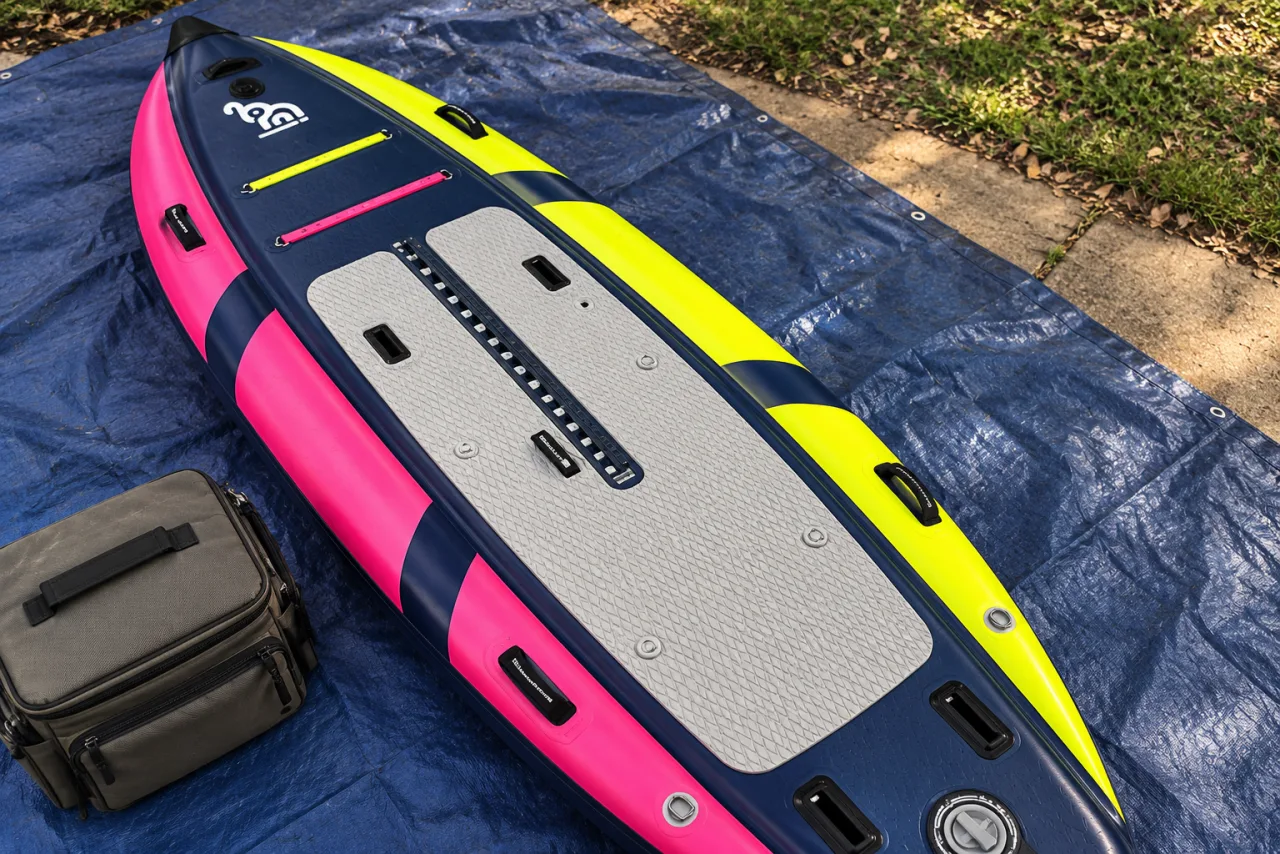
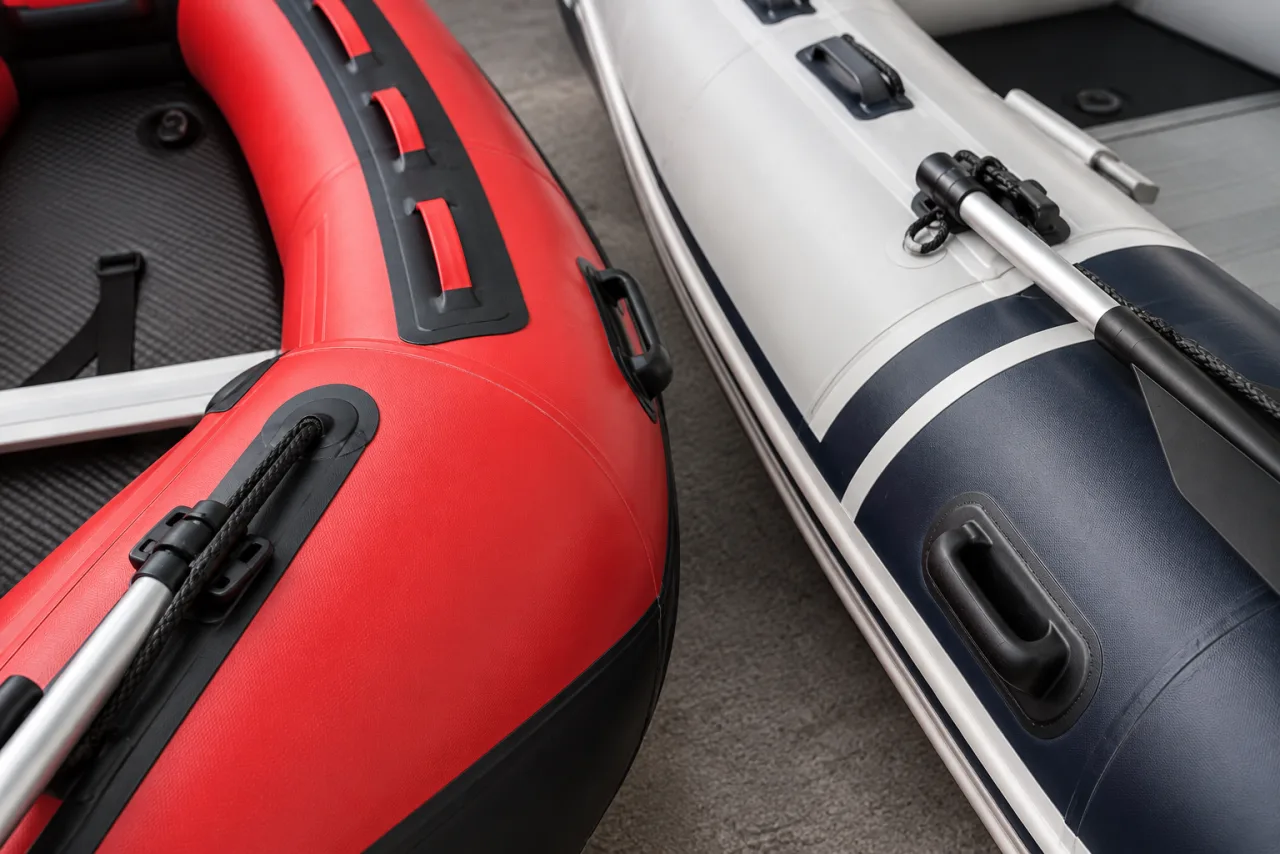
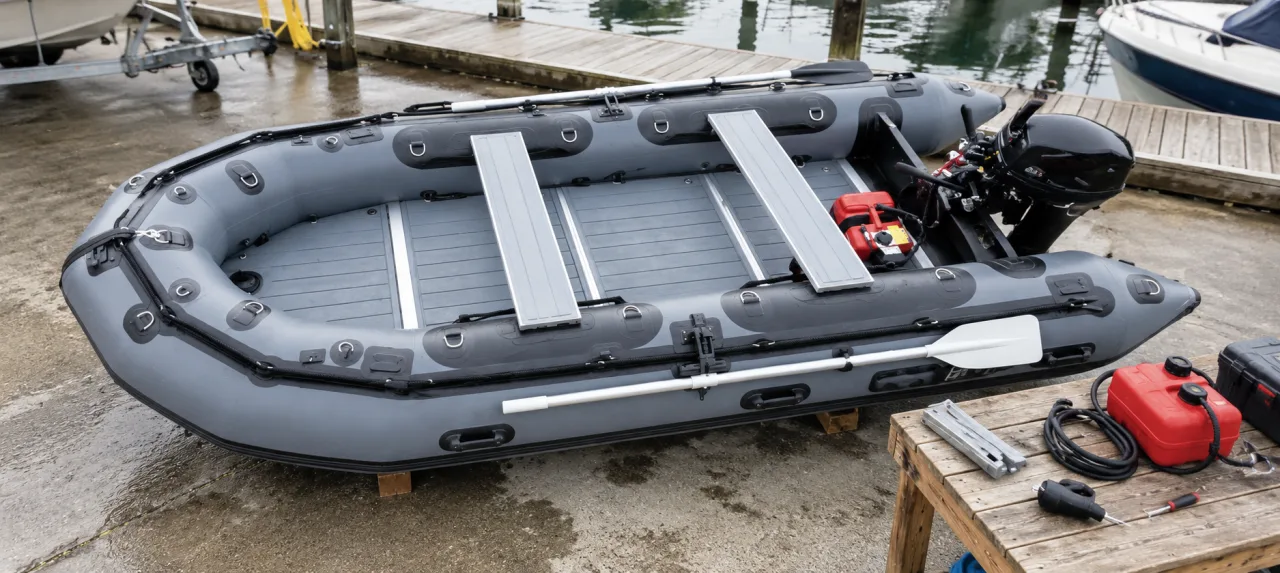
Summary: this blog hub is for buyers comparing inflatable boats, kayaks, SUP boards, fishing boats, rescue boats, propulsion systems and marine safety gear. Use it to understand which product family fits the order, what evidence to request from suppliers, and how to avoid hidden cost before committing to a sample, wholesale order or OEM run.

What to check first

  • Product family: raft, kayak, SUP, fishing boat, rescue boat, motor, electronics, safety gear or accessory.
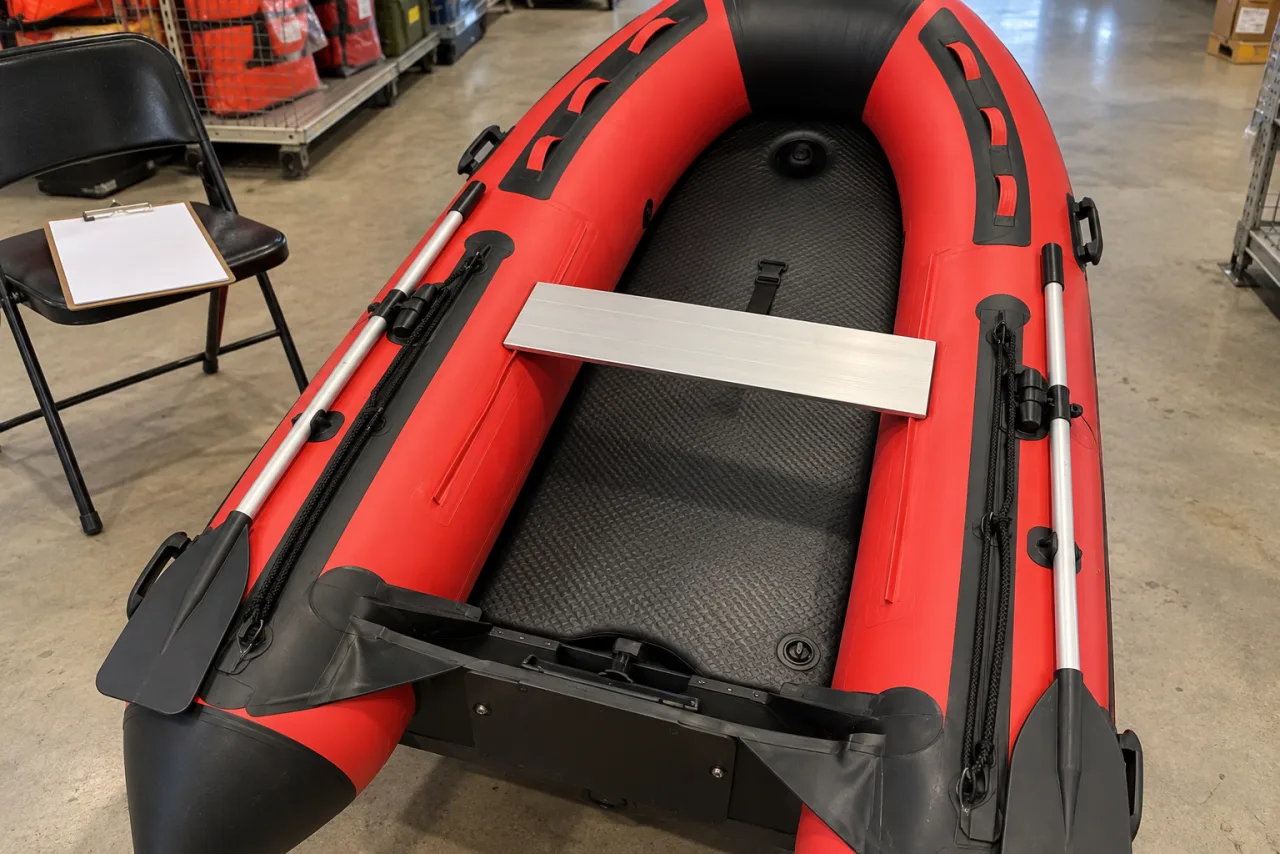
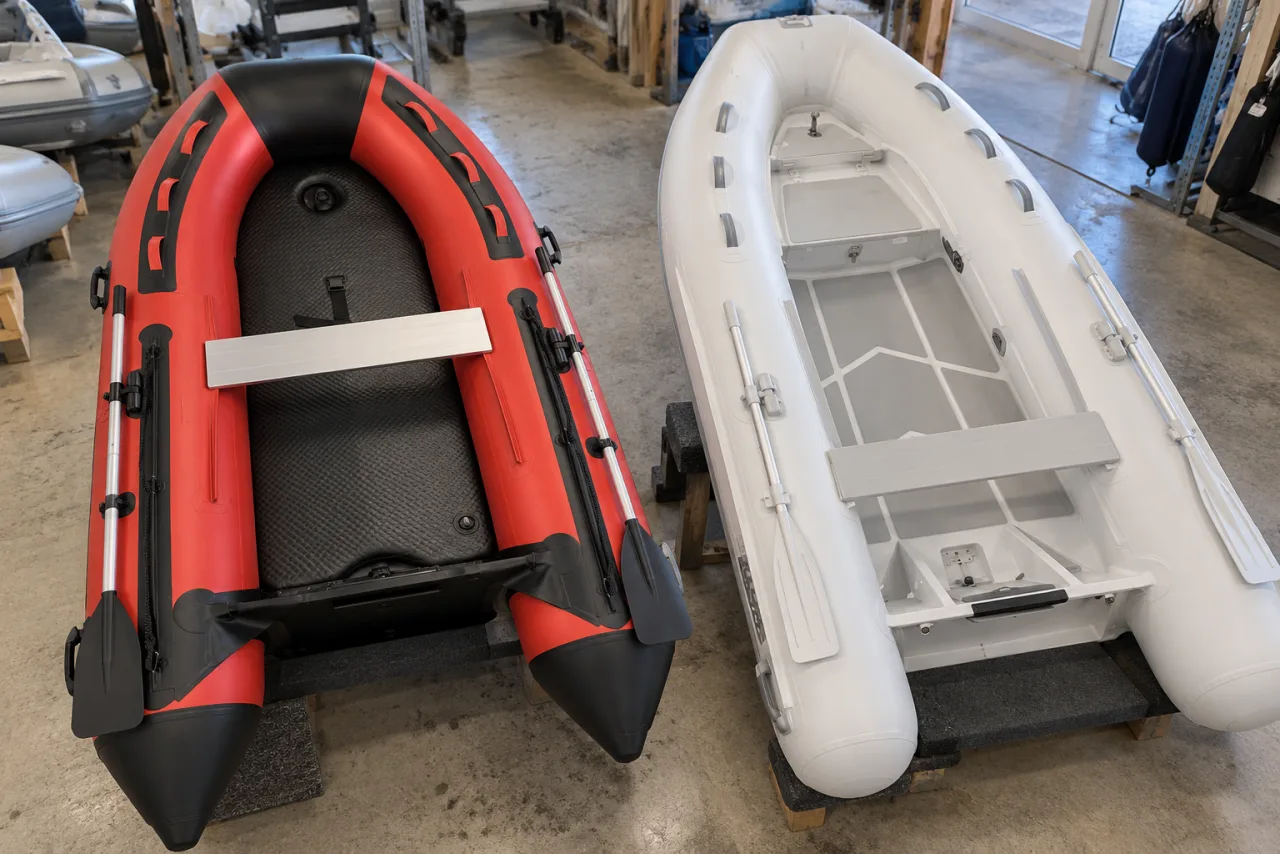
  • Specification evidence: material, chamber count, floor type, load capacity, packed dimensions and accessory list.
  • Commercial path: MOQ, sample timing, 20 piece trial price, 100 piece wholesale price and OEM artwork requirement.
  • Route risk: EXW, FOB, CIF, DDP, warehouse consolidation, destination port and final delivery address.

How to use these guides

Start with category-level buying notes when the product type is unclear. Move to product-level RFQ notes when a specific model is selected. Use contact and tracking guidance when the order needs freight review, production milestone checks or export packing confirmation.

A reliable quote should answer 5 questions: what exactly is included, what quantity is being priced, how the cargo is packed, how long production takes, and which delivery route is assumed.

Buyer intentBest guide pathDecision evidence
Choose a boat categoryCategory and material notesUse case, water condition, capacity, floor structure
Prepare an OEM quoteSourcing and RFQ notesLogo, color, carton artwork, quantity, destination
Control delivery riskTracking and freight notesCarton count, gross weight, route, customs handoff

How buyers should read inflatable boat content before sending an RFQ

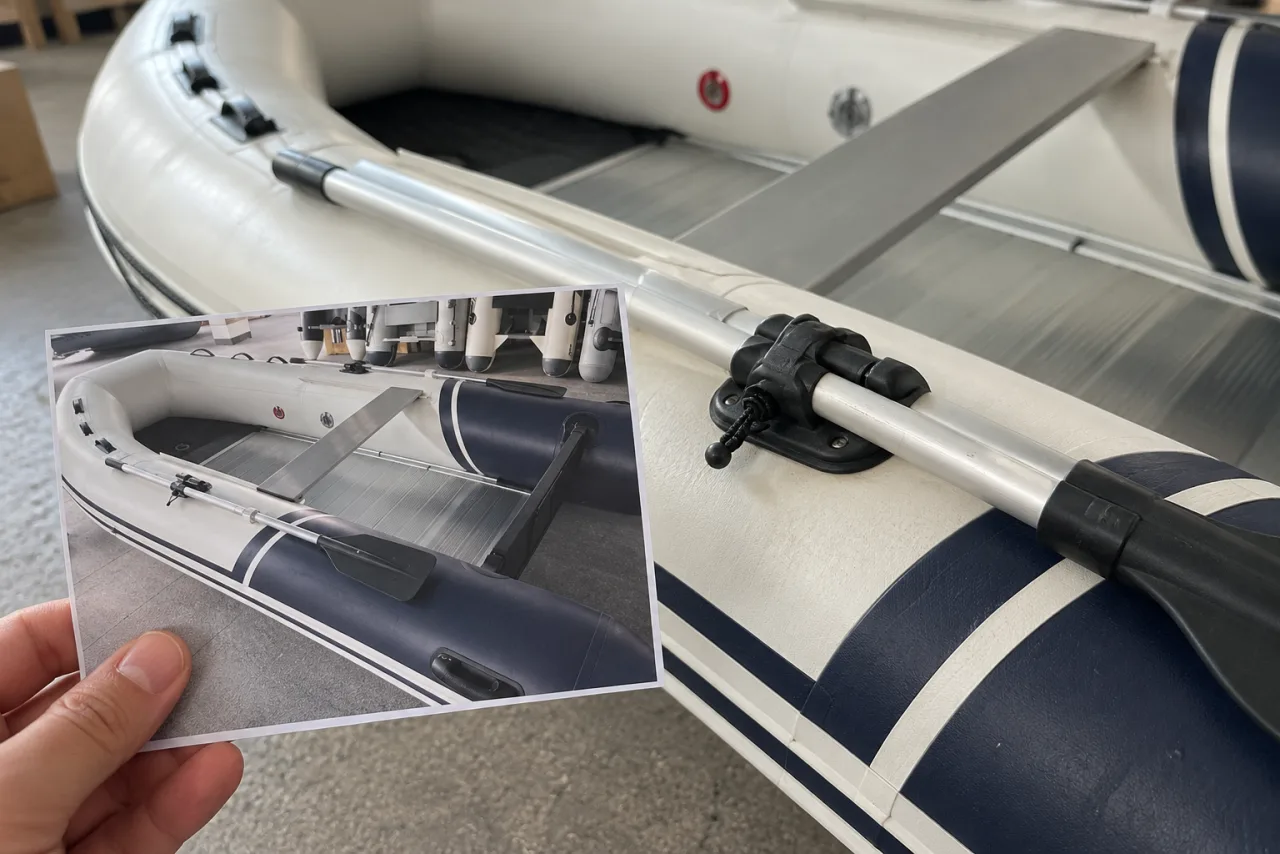
Do not treat an inflatable boat catalog as a simple list of products. A buyer should read each guide as a decision filter. The first filter is product use: leisure retail, rental fleet, fishing, rescue, commercial patrol, outdoor club supply, cross-border ecommerce or distributor replenishment. The second filter is construction: PVC thickness, drop-stitch material, aluminum or inflatable floor, transom strength, seam process, chamber count and accessory package. The third filter is commercial readiness: whether the supplier can support sample photos, packed dimensions, carton marks, manual language, logo placement and repeat production.

For a 1-piece sample, content should help the buyer confirm whether the model is worth testing. For a 20-piece trial order, the buyer should use the guide to compare landed cost, delivery route and quality evidence. For a 100-piece wholesale order or container shipment, the buyer should ask for factory schedule, production photos, inspection checkpoints, pallet plan and after-sales spare parts. These 3 buying levels require different proof, so the same product title is not enough.

Raft Inflatable keeps the blog connected to category pages, product pages, sourcing pages and tracking notes so buyers can move from research to quote without losing context. If a guide mentions MOQ, freight, DDP, OEM branding, rescue use, packed size or warehouse consolidation, that detail should become a line item in the RFQ. The goal is to make every article useful for a real quote conversation, not only for search traffic.

When an article is used for supplier comparison, copy the concrete signals into the buyer worksheet: model link, target quantity, material, accessory list, packing data, route assumption and open questions. This keeps the article useful after the first read and gives sourcing, finance and logistics teams a shared reference before they approve sample payment or a bulk order deposit.

What makes a marine sourcing guide useful?

It should connect product specification, MOQ, packing and freight route in one decision path, because any one of those can change the final landed cost.

Why do inflatable boat quotes need packing data?

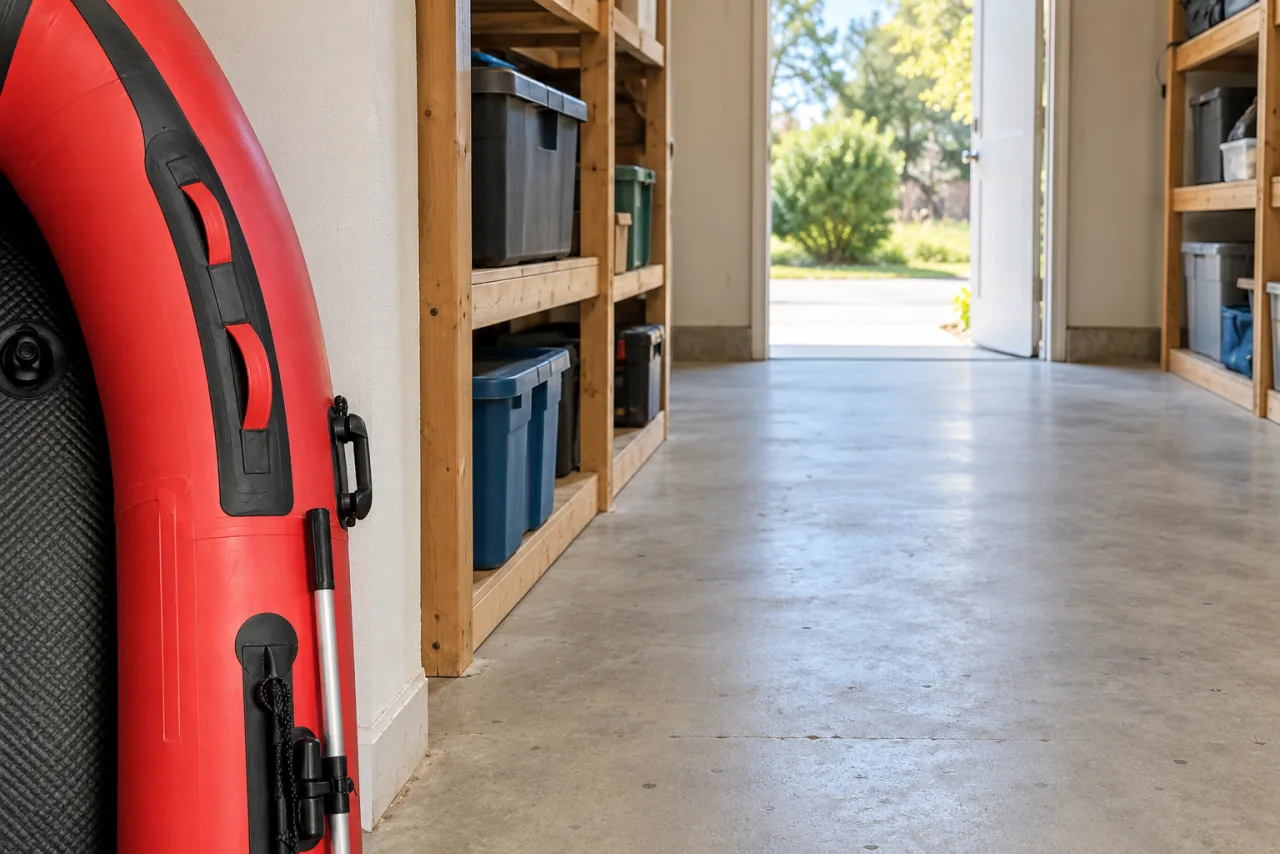
Inflatable boats can be light but bulky. Carton dimensions and gross weight can affect volume weight, pallet plan, carrier selection and DDP feasibility.

When should buyers ask for tracking milestones?

Ask before paying deposit for OEM or wholesale orders. Production, packing, warehouse handoff, export and final delivery should each have a clear milestone.

No blog posts yet. Check back soon!