
Flood Rescue Boat
Rescue buyer checklist
Buy flood rescue boats by mission profile
A flood rescue boat should be specified by mission, load, and route. Compare 2-3 models, confirm 5 safety signals, and lock packing before final quote approval.
- Use this page for rescue agencies, distributors, emergency teams, and project buyers who need quote-ready detail.
- Confirm color, load, floor, chamber count, accessory kit, and documentation before comparing unit price.
- Treat freight as part of the rescue specification because late delivery can make a low price unusable.
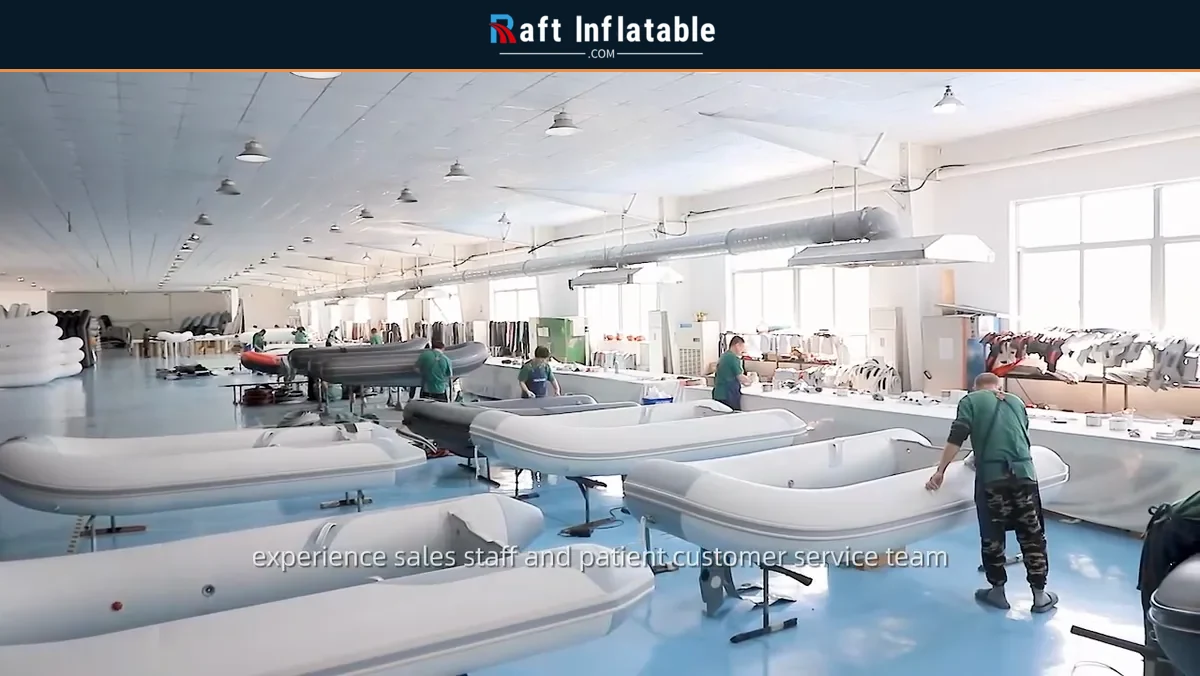
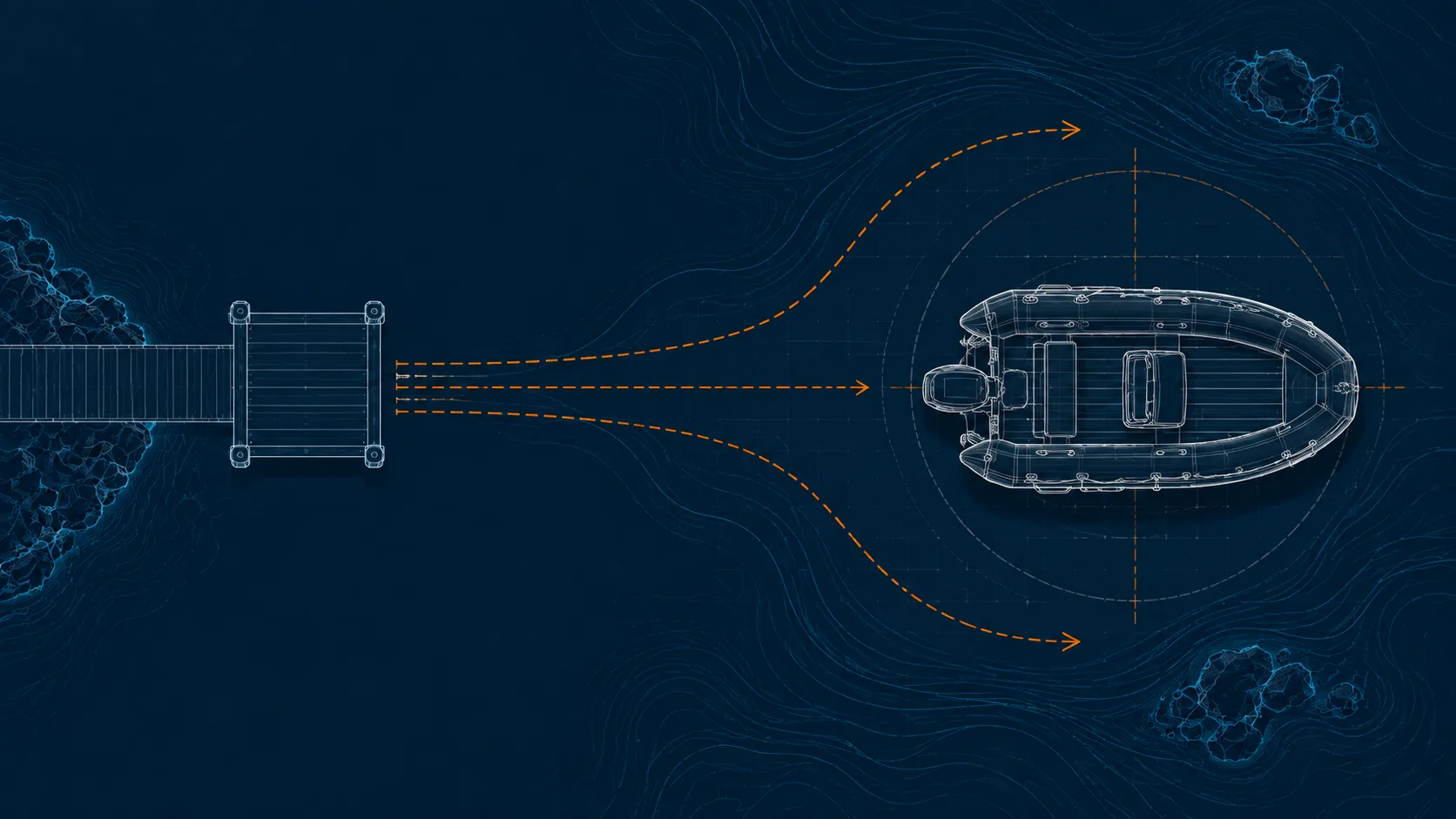
Flood rescue boat specification matrix
Scroll the table sideways to compare all columns.
| Mission profile | Recommended evidence | Procurement note |
|---|---|---|
| Rapid response | Stock status, dispatch timing, packed size, bright color | Speed can outweigh custom options |
| Public-sector tender | Model sheet, documentation, material claim, QA photos | Written evidence matters before approval |
| Distributor inventory | MOQ tiers, repeat production, carton marks, spare parts | Repeatability matters more than one sample price |
| Flood patrol | Load capacity, floor, transom, motor compatibility | Motor-ready setups need raft and motor checks together |
| Relief project | Bulk packing, warehouse consolidation, route and destination limits | Project cargo may need route review before payment |
Rated persons is not a crew count
A catalog person rating identifies a model; it does not establish a safe working crew or an approved rescue load. Account separately for crew, equipment, motor, fuel and any casualty, then request the selected model’s load and test documents. Do not infer a deployment limit from the person count alone.
The published tables show why the number alone is unreliable. RSD-RE450 and RSA-RE450 are both 450 cm on a 194 cm beam, but one is rated 8 persons and the other "7 adults + 1 child" — the same hull length described against two different sheets. At the same 450 cm, the heavy-duty RSA-HD450 is rated 10 persons, because its floor and fabric specification differ. Ask which sheet a quoted figure comes from before comparing two suppliers on it.
The catalog offers several starting rows: RSD-RE420 is listed at 420 cm, 7 persons and 30 hp; RSA-RE500 is listed at 500 cm, 10 persons and 60 hp. Neither row proves mission suitability. Compare the transport method, loaded layout and model-specific documents before shortlisting either boat.
Fabric grade is hidden in the model prefix
The catalog lists RSD-RE380 and RSA-RE380 at 380 cm, 174 cm beam, 30 hp and 6 persons, while recording different fabric descriptions. A listing headed only “380 cm rescue boat” does not establish which construction is being quoted. Ask the supplier to identify the exact row and provide the current material specification.
When comparing quotes, ask for tube and floor material and thickness separately, including which parts each stated grade covers. Similar photographs do not establish equivalent construction or durability.
Floor type decides how the boat gets to the water
The catalog includes aluminium-floor and VIB air-deck rescue rows. The RE390 VIB row is listed at 390 cm and 6 persons; RE430 VIB is listed at 430 cm and 8 persons. Floor choice affects assembly and handling, but the public rows do not provide a verified packed-weight comparison. Request both packed weights, floor details and the intended launch method before deciding.
Compare them on carry weight and pack-down, not on price per metre. A team that cannot lift the boat off the vehicle has bought the wrong hull regardless of its rating. Ask for the packed dimensions and the boat weight without engine, and ask how many people the supplier assumes are carrying it.
What a rescue quote has to state in writing
Do not approve a flood rescue boat on a product title. Require written confirmation of mission fit, load, construction, accessory package, production timing and packed freight data. That is the minimum a project buyer needs before two suppliers can be compared at all.
If the specification includes motors, ask for the boat and motor as one working system: transom height and material, shaft length, and the maximum rating the transom is actually built for rather than the maximum the hull is rated to carry. If the specification includes people rescue, ask what buoyancy, material and load claims are supported by document, and for which exact model — a catalogue row is not a certificate, and a certificate for a different length is not evidence for yours.
Start the RFQ with mission profile, water environment, target quantity, required date, destination and delivery term. Those six inputs decide whether a quote is comparable at all. For repeat procurement, ask for sample, 20-piece trial and 100-piece assumptions in the same reply; a supplier that can only price one of the three has not planned the production slot.
Freight is part of the rescue specification
A rescue boat that arrives after the flood season is not a cheaper boat. Treat carton count, gross weight, packed dimensions and route as specification lines rather than logistics detail, and settle them before comparing unit price — an inflatable is light for its bulk, so volumetric weight, not mass, usually sets the freight cost.
For fleet orders, ask how many hulls fit a pallet and whether the aluminium floors ship inside the boat or separately. That single answer often moves landed cost more than the difference between two suppliers' unit prices.
What this page quotes against
Factory models behind this guide
These are the published series this page's advice resolves to. Lengths, power ratings and rated persons come from the factory model tables — bring the code you want into the RFQ and the reply can start from a real hull instead of a category.
Inflatable Rescue
Rated persons and floor type per hull length, 330 cm upward.
- Length range330-500 cm
- Max HP range15-60 hp
- Capacity range4-10 persons
| Model | Length | Max power | Rated persons |
|---|---|---|---|
| RSD-RE330 | 330 cm | 15 hp | 4+1 persons |
| RSD-RE360 | 360 cm | 20 hp | 5 persons |
| RSD-RE380 | 380 cm | 30 hp | 6 persons |
PVC / aluminum floor
See the full inflatable rescue tableRescue RIBs
Rigid-hull rescue craft for patrol and offshore work.
- Length range550-750 cm
- Max HP range100-200 hp
- Capacity range10-14 persons
| Model | Length | Max power | Rated persons |
|---|---|---|---|
| RE550 | 550 cm | 100 hp | 10 persons |
| RE650 | 650 cm | 175 hp | 12 persons |
| RE750D | 750 cm | 200 hp | 14 persons |
Hypalon-style tube / rescue RIB
See the full rescue ribs tableHeavy Duty
Reinforced construction for repeated deployment.
- Length range380-550 cm
- Max HP range30-60 hp
- Capacity range6-14 persons
| Model | Length | Max power | Rated persons |
|---|---|---|---|
| RSA-HD380 | 380 cm | 30 hp | 6 persons |
| RSA-HD420 | 420 cm | 40 hp | 8 persons |
| RSA-HD450 | 450 cm | 40 hp | 10 persons |
1.2 mm PVC / aluminum with EVA
See the full heavy duty tableNext RFQ paths
FAQ
What makes a flood rescue boat different from a regular inflatable boat?
A flood rescue boat must be checked for mission fit, load capacity, visibility, floor structure, chamber count, accessories, documentation, and delivery timing.
How many rescue boat options should I compare?
Compare 2-3 practical models: one fast stock option, one specification-fit option, and one backup supplier if timing is critical.
What is the biggest procurement risk?
The biggest risk is approving price before confirming mission fit, accessory inclusion, packed dimensions, and route timing.