
How to Compare SUP Width and Stability
Width is a useful SUP comparison dimension, but it cannot describe a board on its own. Match the full shape and package to the rider and the intended water.
Start with rider information
Give the supplier the rider load, experience, height and typical equipment. Explain whether the board is for short sheltered outings, longer trips or a specialist activity. Ask which model configurations the manufacturer recommends for that brief.
Compare shape as a whole
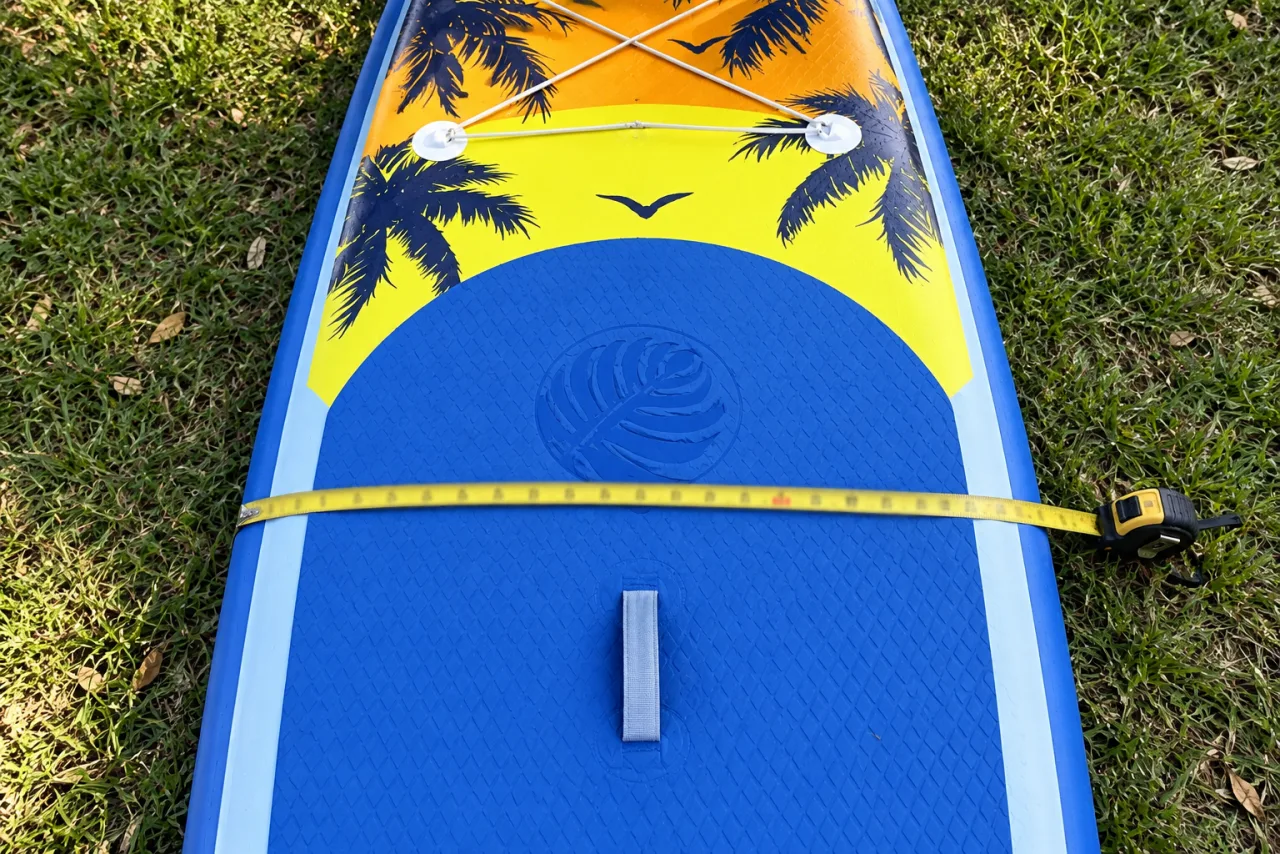
Record length, width, thickness and the outline through the nose and tail. Ask for deck photographs with a scale reference. Two boards with the same maximum width may distribute that width differently and provide a different working area.
Check reach and handling
A board should let the intended rider reach the water comfortably and carry the package to the launch. Use a supervised sample opportunity where possible. Do not infer personal confidence or turn response from a width number without the rider and conditions.
Make the sample useful
Keep rider, equipment and conditions comparable when evaluating candidates. Record the exact board and inflation instructions followed. Note carrying, kneeling, standing and paddle reach separately, and treat observations as experience with that setup rather than a universal rating.
Procurement checklist
- Record rider and equipment information.
- Compare complete dimensions and outline.
- Assess reach and carrying in a supervised sample.
Frequently asked questions
Is there one correct beginner width?
No. Rider, shape, load, experience and conditions need to be considered together.
Can capacity replace a fit check?
Capacity documentation is essential, but it does not answer paddle reach, deck comfort or carrying questions.