
Match Repair Kits to the Boat Material
A repair kit is useful only when its materials match the boat and its authorized repair scope. Check compatibility and condition before including a kit in a purchase package.
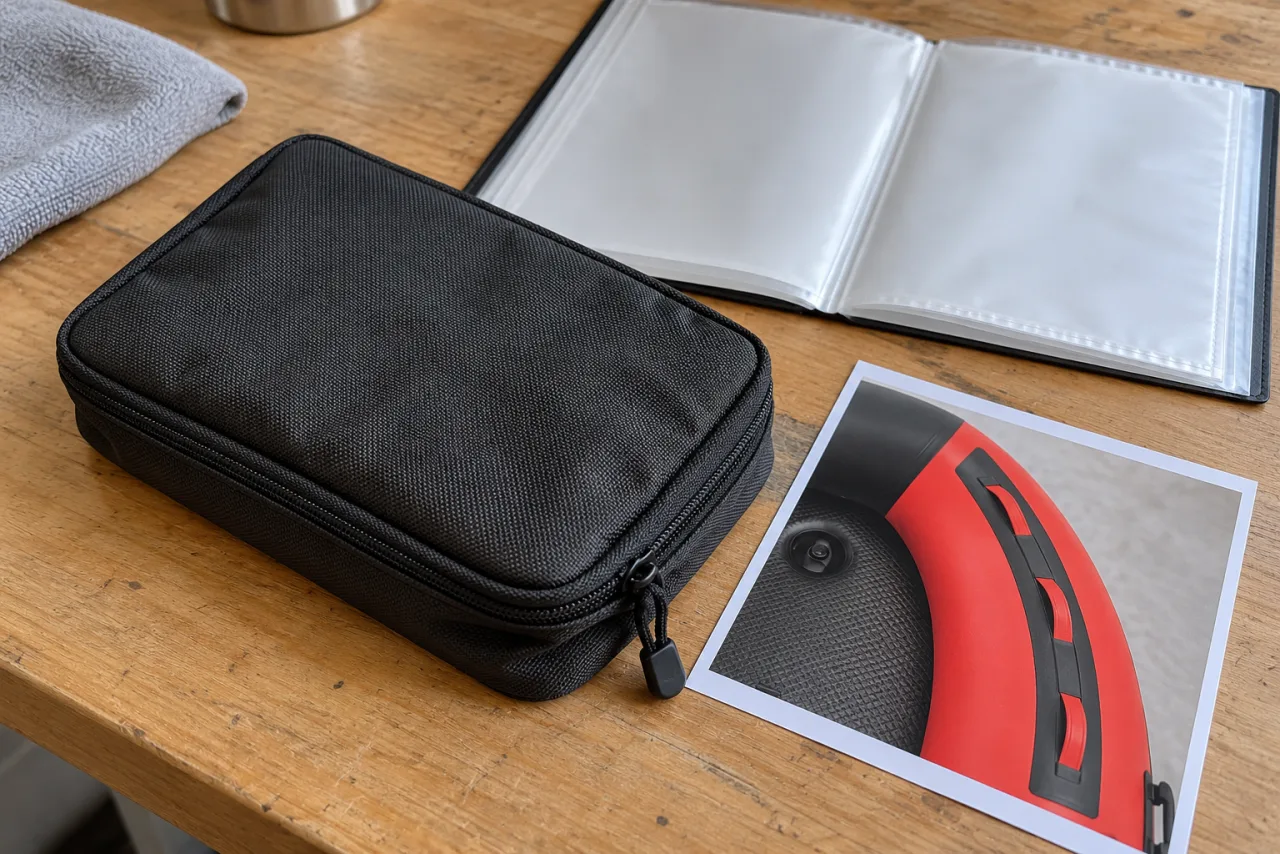
Identify the boat construction
Ask for the tube and floor material identifiers separately. Record any differences in coatings or reinforcement. A patch supplied for one component may not be suitable for another, even when the surfaces appear to have the same color.
Specify the exact kit contents
Request patch material, adhesive system if included, tools and written instructions. Obtain product identifiers rather than accepting an unspecified repair-kit line on the packing list. Confirm whether the boat manufacturer approves those items for the intended minor repair.
Check storage and transport
Ask for shelf life, storage conditions and the relevant safety information for any chemical product. Have the carrier review restrictions before shipping adhesive with the boat. A kit present in a carton may already be unusable if storage requirements were not followed.
Define when to seek service
Obtain the manufacturer’s distinction between minor work owners may perform and repairs requiring a qualified provider. Seam, transom and other structural problems need appropriate assessment. Keep completed repair records and follow the prescribed inspection before returning equipment to service.
Procurement checklist
- Match each patch to the exact component.
- Record adhesive identity and shelf life.
- Confirm the authorized repair boundary.
Frequently asked questions
Are PVC and other coated-fabric kits interchangeable?
Do not assume compatibility. Obtain approval for the exact fabric and adhesive system.
Does carrying a repair kit make a damaged boat usable?
No. The defect and authorized repair scope determine the next action, including whether service is required.