
Questions to Ask About PVC Boat Fabric
Fabric descriptions become useful when the buyer knows exactly what each number refers to. Ask structured questions before using thickness, weight or brand terms to compare boats.
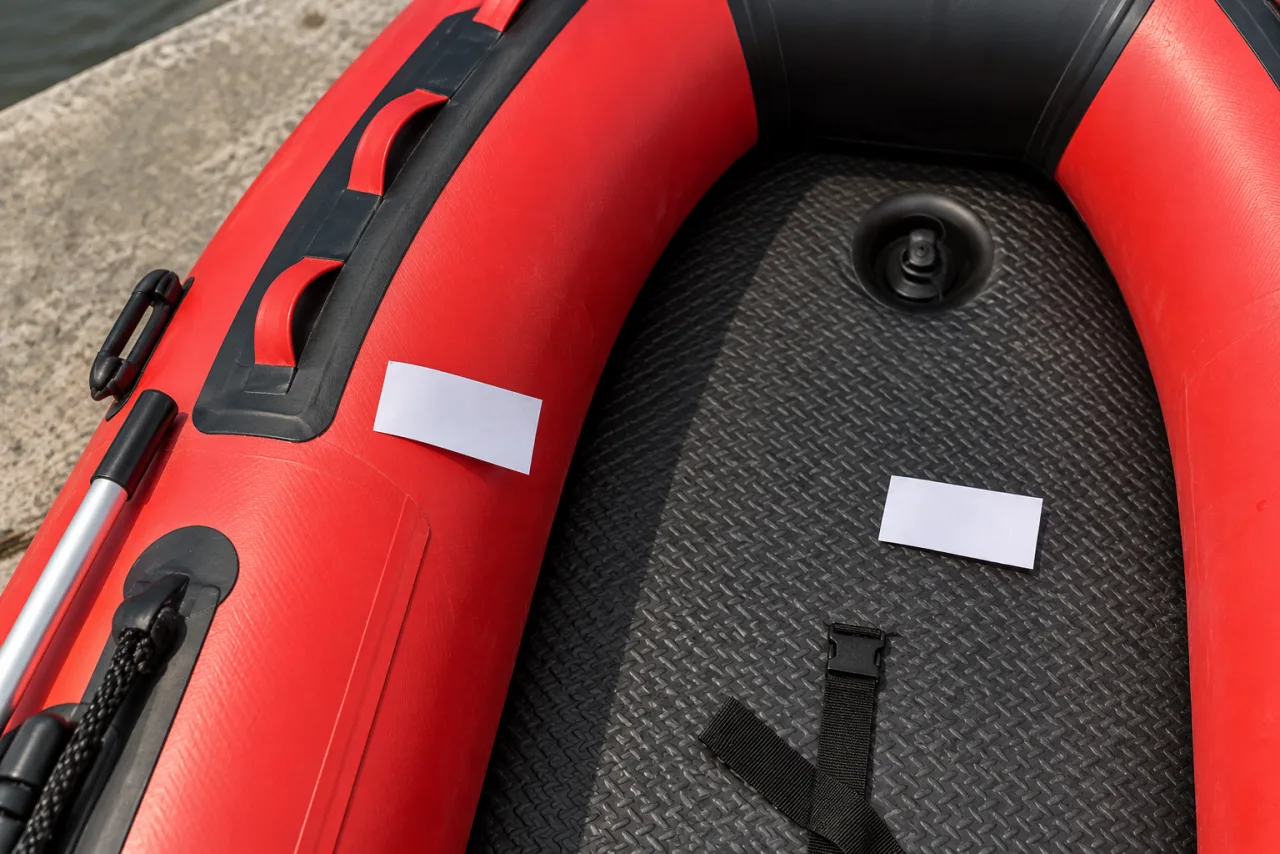
Identify the component
Create separate lines for the main tubes, floor, underside protection and local reinforcement patches. Ask whether a quoted material applies to every component or only one. A single headline fabric description can conceal a mixed construction.
Clarify measurement language
Request units, stated tolerances and the manufacturer definition for thickness and fabric weight. Ask whether the stated number describes the complete coated textile. Keep supplier statements in their original form before converting units so a transcription error is not mistaken for a material difference.
Match supporting documents
Record the material supplier, product identifier and the sample or batch described by any report. Ask how that material is linked to the order. A test on an unnamed fabric cannot establish properties of the finished boat or its seams.
Use the information in procurement
Place agreed material identifiers in the order specification alongside model, floor and reinforcement locations. Request notice before substitutions. If a performance requirement matters, define the required evidence and acceptance review instead of inferring it from a larger thickness number.
Procurement checklist
- Separate specifications by component.
- Keep units and measurement definitions.
- Record material substitutions as order changes.
Frequently asked questions
Is higher fabric weight always preferable?
It can also affect packing and handling; suitability depends on the complete design and intended use.
Does a fabric report cover the entire boat?
Only its stated scope applies. Finished seams, fittings and hull performance need their own relevant evidence.