
Inspect an Inflatable Boat Sample
A sample inspection should compare an identifiable boat with written requirements. It can reveal discrepancies and missing parts without pretending that a visual check establishes every performance claim.
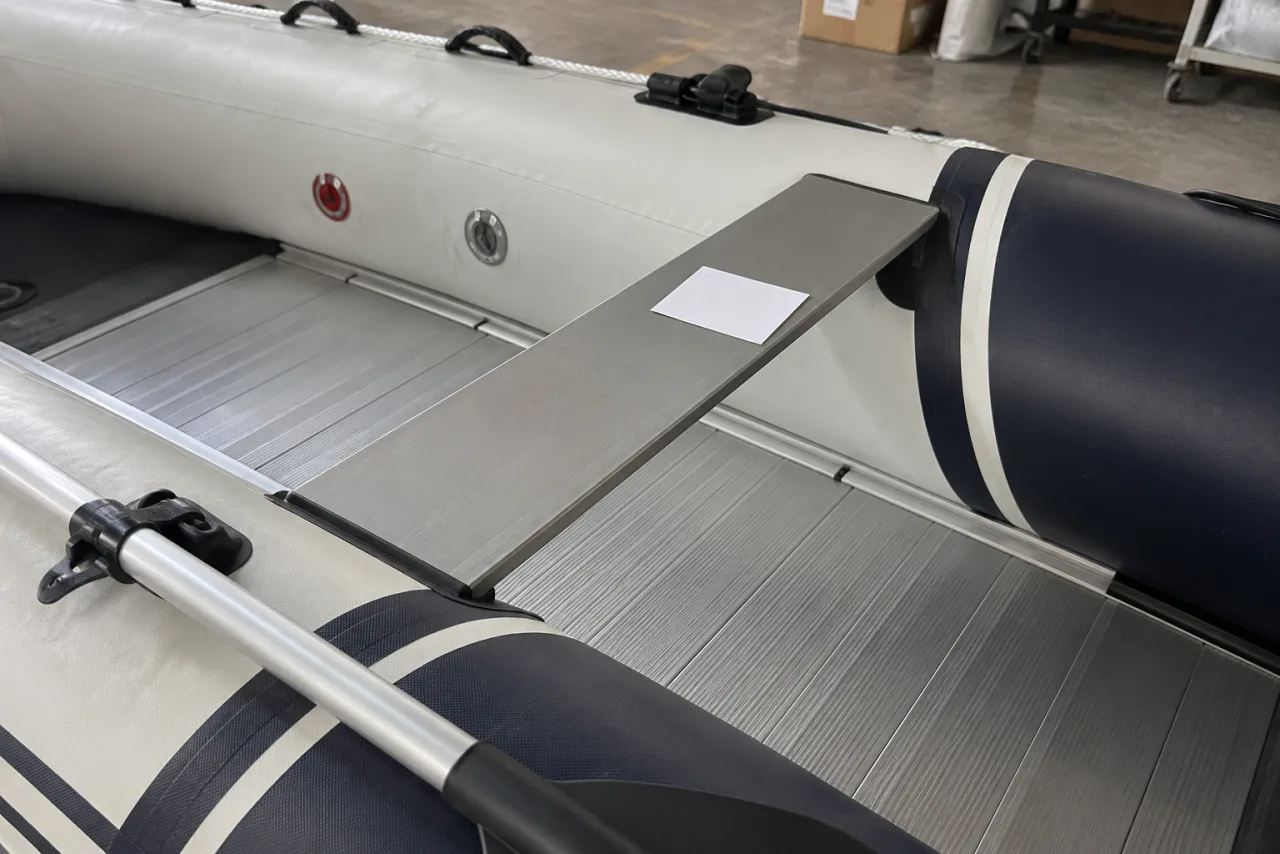
Fix the acceptance reference
Keep the model, floor, material description, color, fittings and accessory inventory in one revision-controlled specification. Ask whether the sample is representative of the production order. Record substitutions before inspecting rather than accepting them as implied approval.
Check identity and completeness
Photograph labels and count hull, floor pieces, seats, pump, paddles, bag and supplied documents as applicable. Compare the packing list with actual contents. Mark missing or incorrect components separately from cosmetic observations so corrective actions are clear.
Inspect visible fit and condition
Use the agreed criteria for surfaces, joints, valves, floor fit and attachments. Follow the manufacturer instructions for any assembly or inflation. Do not invent acceptance pressures, destructive checks or certification conclusions from an informal sample review.
Close discrepancies in writing
Give each finding a photograph, specification reference and required supplier response. Identify who approves correction and whether a replacement sample is needed. Preserve the accepted configuration as the reference for the production order and any later inspection scope.
Procurement checklist
- Use one agreed specification revision.
- Photograph identity and count all parts.
- Resolve each discrepancy before approval.
Frequently asked questions
Does a good-looking sample prove batch consistency?
No. Define production conformity and inspection evidence separately.
Can I approve with unresolved questions?
Record precisely what is accepted and what remains conditional; obtain written resolution before relying on the sample as the production reference.