
Choose Flood Barriers and Sandbags for a Site
Flood barriers are site-specific purchases. The useful question is whether the selected system fits the opening, substrate and available deployment resources.
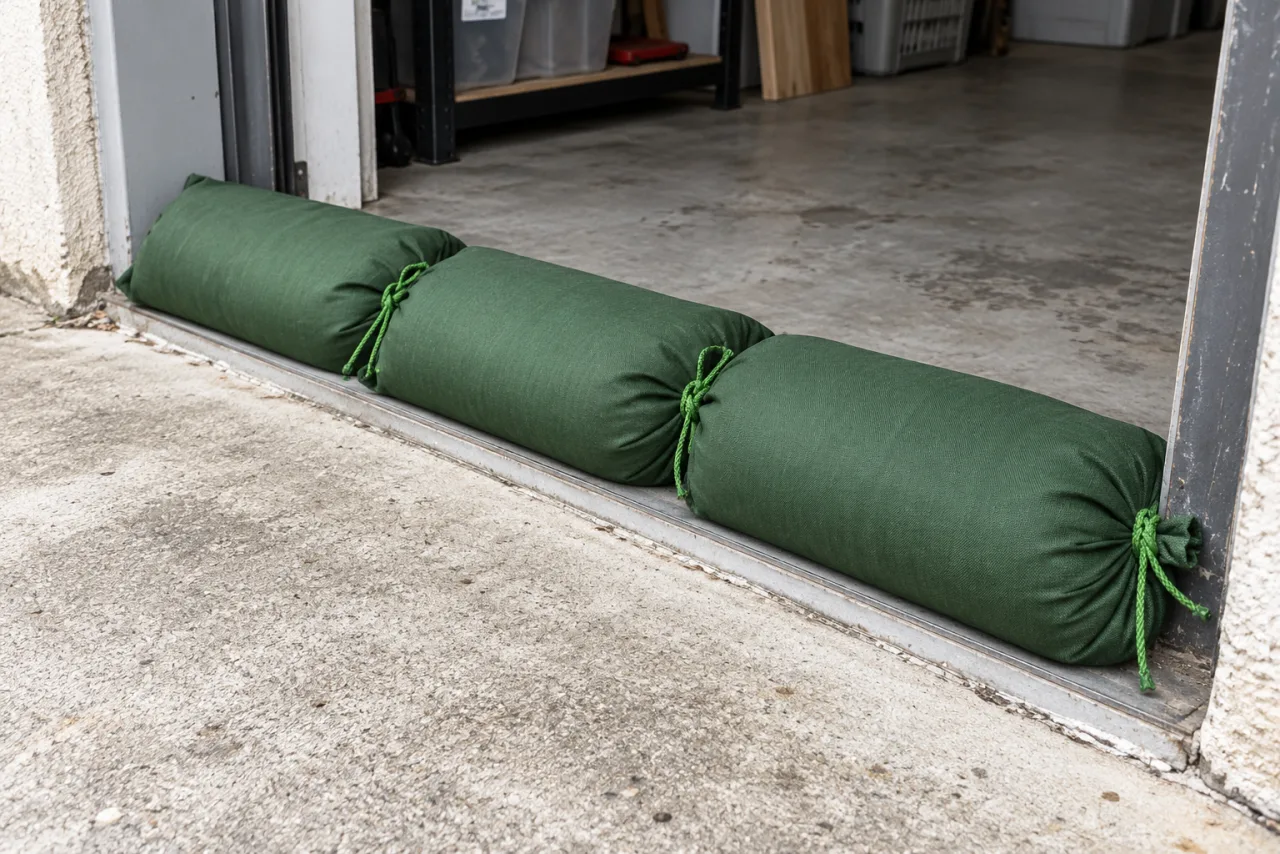
Measure the actual opening
Record clear width, threshold shape, wall surfaces and nearby obstructions. Send dimensioned photographs with the enquiry. Ask the supplier which fixing or sealing conditions the system requires and whether a site assessment is needed before a final specification.
Compare the full deployment workload
For sandbags, confirm whether supply includes filled bags, empty bags or filling materials. Count handling, storage and disposal requirements. For rigid barriers, identify removable parts, tools and inspection needs. Ask who will deploy the system and where every component is stored.
Understand protection limits
The U.S. Army Corps of Engineers notes that sandbags do not guarantee a watertight seal. Door barriers also have stated limits and installation conditions. Neither addresses every route water may enter, such as drainage connections or another unprotected opening.
Keep evacuation independent
Review the plan with local emergency or building advisers. Do not block an essential exit or delay evacuation to protect property. Specify the product, dimensions and instruction set in the purchase order, then check the delivered parts against that agreed site plan.
Procurement checklist
- Record opening dimensions and installation surfaces.
- Confirm fill, tools, handling and storage requirements.
- Keep exits and the evacuation plan accessible.
Frequently asked questions
Can I order a barrier using door width alone?
No. Threshold and side surfaces, fixing requirements and product limits also affect suitability.
Are sandbags completely waterproof?
No. They can reduce water damage but do not guarantee a watertight seal.