
Reduce Heat and Sun Exposure During Storage
A sensible storage routine reduces avoidable sun and heat exposure. The useful question is how the chosen boat will be kept between outings, not an unsupported promise about service life.
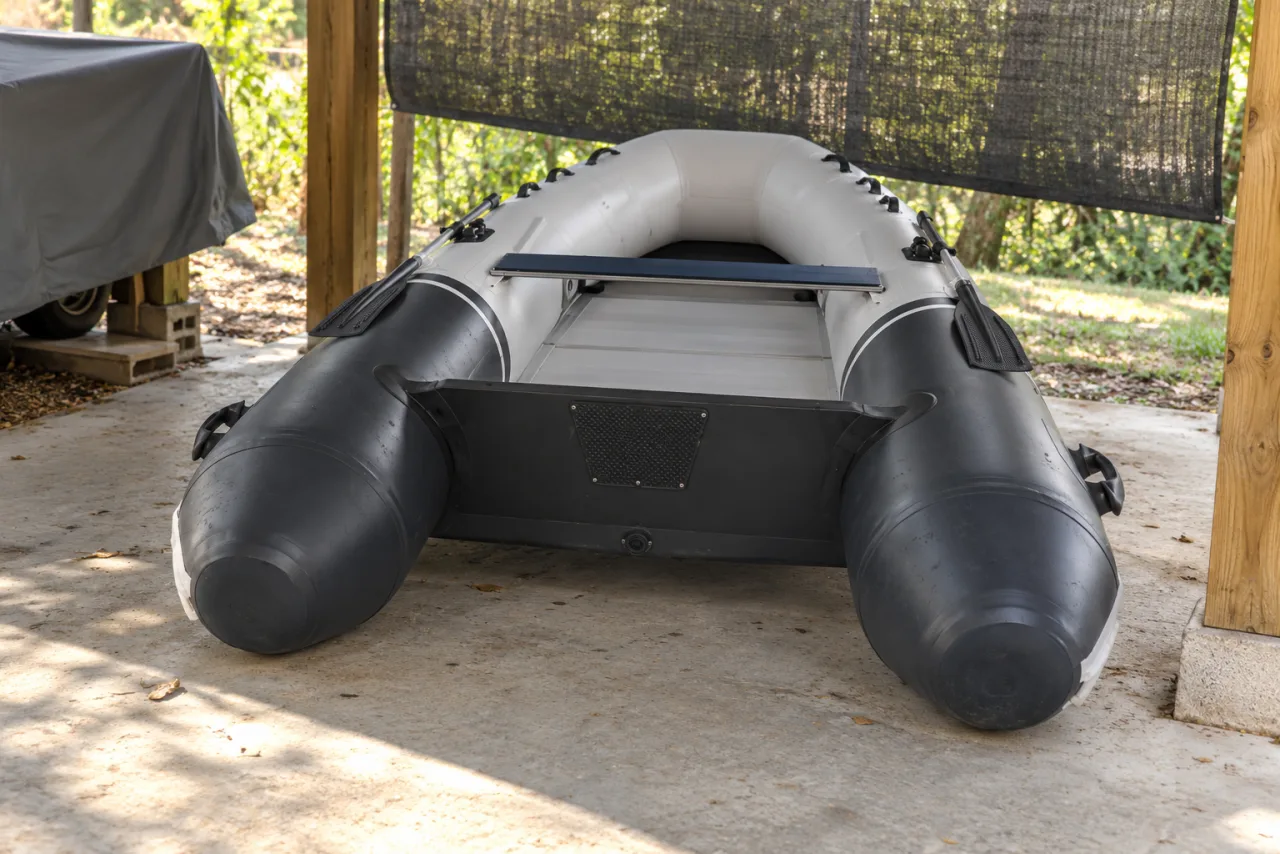
Map the exposure
Record whether the boat stays on a dock, trailer, rooftop or indoor rack. Note direct sun, ventilation and the duration of unattended storage. Share this information with the manufacturer when requesting the applicable care and pressure-monitoring guidance.
Choose compatible protection
Ask about suitable covers, clearance and ventilation for the exact configuration. Check how fabric, deck pads and fitted accessories should be protected. A generic cover or protective treatment may not be compatible with every surface or packing arrangement.
Follow pressure instructions
Manufacturer guidance describes pressure changes with temperature. Use the model-specific monitoring and adjustment procedure rather than leaving an inflated boat unattended in changing heat. Do not copy a pressure setting from another construction or assume a relief valve protects every chamber.
Inspect changes consistently
Record unusual discoloration, surface damage, joint changes and the storage conditions observed. Ask the manufacturer about any concerning symptom. Protective products cannot establish that an aged or damaged structural component remains fit for use, and no routine guarantees a fixed lifespan.
Procurement checklist
- Document sun and heat exposure.
- Confirm cover and treatment compatibility.
- Follow chamber-specific pressure monitoring.
Frequently asked questions
Does a cover remove the need for inspection?
No. Check condition and follow care guidance even when the boat is covered.
Can a protectant restore damaged fabric strength?
Do not assume so. Structural condition requires appropriate assessment rather than a cosmetic treatment.