
Plan Consolidation for Marine Equipment Orders
Combine compatible cargo with packing and schedule discipline.
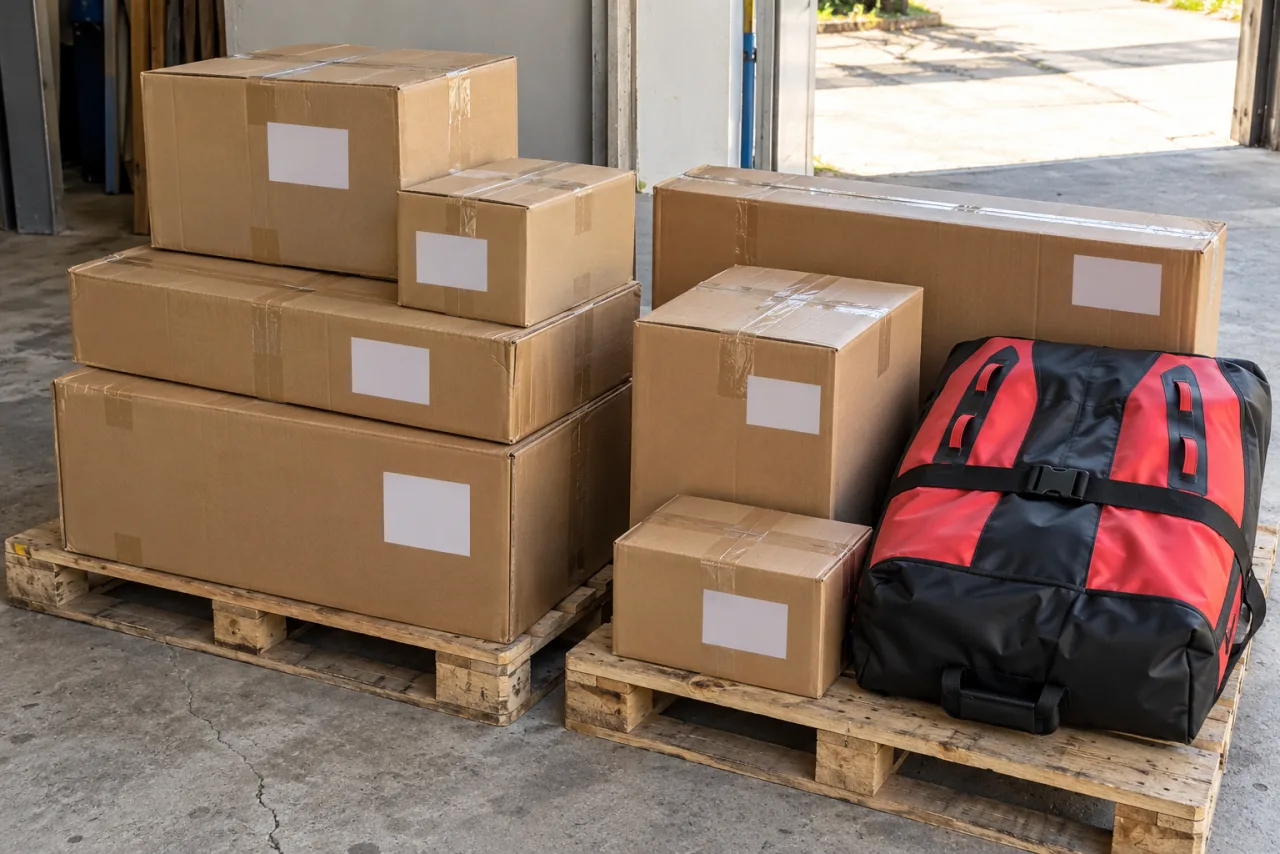
Inventory what will be combined
List suppliers, item identities, quantities, package sizes and readiness dates. Separate hulls, accessories and sensitive goods. Consolidation works only when the warehouse and logistics team know what is arriving and what must remain separately handled.
Agree receiving and inspection work
Define whether the consolidator will count cartons, inspect visible damage, photograph contents or perform repacking. These are different services. Record the limits of each check so a warehouse receipt is not mistaken for verification of every product specification.
Review compatibility and timing
Ask the logistics provider about cargo compatibility, packing and carrier acceptance. Batteries, liquids or adhesives can require separate review. Waiting for one delayed supplier can affect the whole shipment, so agree whether partial dispatch is allowed.
Create a final shipment record
Match warehouse receipts to the combined packing list and identify any missing or damaged items. Approve the final package and delivery scope before collection. Keep responsibility for claims and replacements clear across suppliers and the consolidator.
Procurement checklist
- Track each supplier’s packages and readiness.
- Define counting, inspection and repacking services.
- Approve the combined packing record before dispatch.
Frequently asked questions
Does a warehouse receipt prove product quality?
No. It normally records the receiving work performed, which may be limited to packages or visible condition.
Should every item wait for the slowest supplier?
Decide this in advance by comparing urgency, added handling and partial-shipment costs.