
Build a Rescue Boat Accessory Inventory
An accessory inventory should explain what belongs with each boat and how compatibility was confirmed. A single bundle quantity cannot show whether the system is complete.
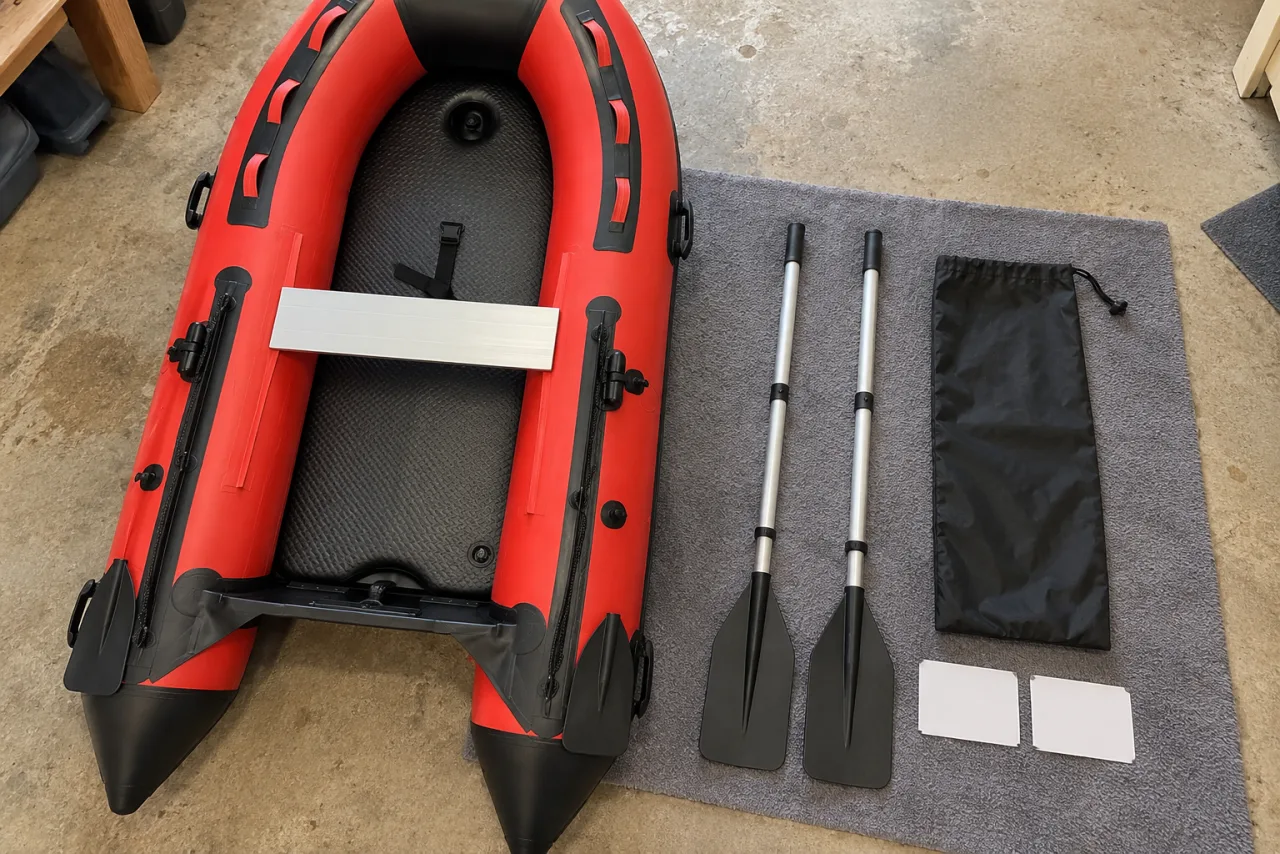
Create one boat-specific record
Use the boat model and identification record as the inventory reference. List floor sections, seats, paddles, pumps, valve adapters and repair materials individually. Record whether each part is supplied with the hull or purchased from another source.
Check the hidden interfaces
Confirm paddle or oar fittings, valve adapter shape and the instructions for repair consumables. Similar appearance is not proof of compatibility. Ask the supplier to identify part numbers and provide the relevant manual pages for the ordered configuration.
Keep personal gear identifiable
Separate crew life jackets and other assigned equipment from shared boat parts. Record sizes and custodian names where appropriate. The responsible rescue team should determine specialist equipment needs; a generic accessory list cannot define every technical rescue role.
Count after every handover
Use labelled storage and a check-out record so missing parts are discovered before deployment. Note damage, expiration where applicable and approved replacements. Include document copies and a contact route for spares, then have the responsible team approve the complete inventory before use.
Procurement checklist
- Link each accessory list to a boat identity.
- Verify adapters, fittings and replacement part numbers.
- Record custody, inspection and missing-item follow-up.
Frequently asked questions
Can one pump be shared across all boats?
Only after valve compatibility, pressure requirements and deployment availability are assessed.
Does a repair kit suit every inflatable fabric?
No. Confirm material compatibility and the manufacturer repair instructions for the specific boat.