
Plan Communications for Flood Preparedness
Communications depend on people and networks as well as devices. A phone in a protective pouch still needs a contact plan and a realistic power arrangement.
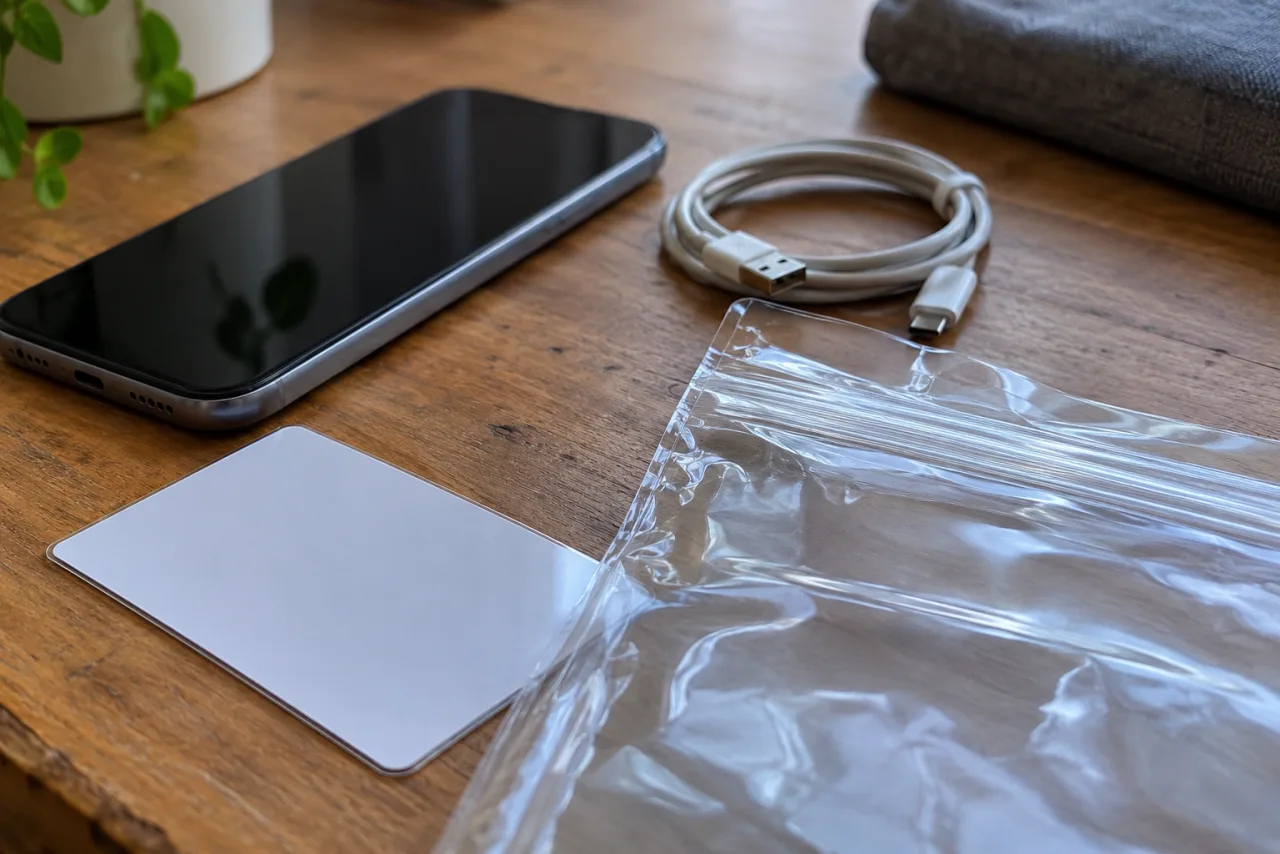
Write the contact sequence
Record household, out-of-area and local emergency contacts on paper. Agree who reports to whom and where separated household members should meet. Keep the language and print size accessible to the intended users, and update the card when numbers change.
Match power accessories
Confirm phone connectors, charging leads and power-bank output compatibility. Record charging instructions and check stored equipment periodically. A capacity label does not guarantee a fixed number of charges, particularly when device loads and operating temperatures differ.
Choose suitable protective storage
Ask whether the pouch fits the actual device and case, and review its water-resistance conditions. Check that the closure can be operated with the intended clothing or gloves. Do not assume a touchscreen remains usable through every pouch or after exposure.
Plan for network failure
Include a battery radio or another locally appropriate information source if the household plan calls for it. Confirm local rules before purchasing transmitting equipment. Keep evacuation information available offline and follow official alerts; backup devices cannot guarantee reception in every location.
Procurement checklist
- Print and update the contact sequence.
- Confirm device, cable and power compatibility.
- Review pouch limits and alternate information sources.
Frequently asked questions
Does waterproof storage guarantee phone service?
No. Network availability, battery condition and the device itself remain separate limitations.
Can any two-way radio be used anywhere?
No. Frequencies, licensing and permitted use vary by jurisdiction and equipment type.