
Compare MOQ and Sample Terms
Separate sample configuration, approval and production-order assumptions.
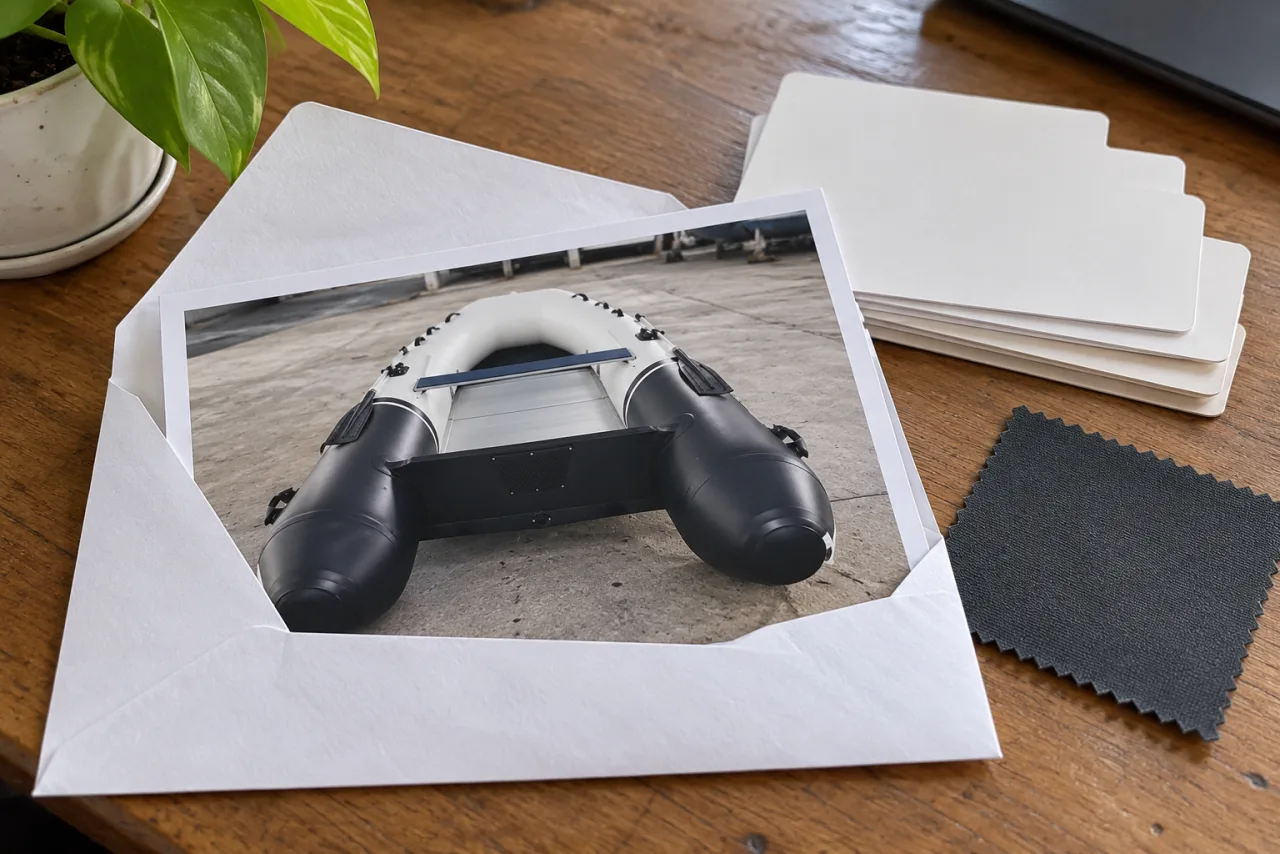
Separate three different quantities
Ask about the minimum for a standard item, a customized version and a sample. They may have different commercial assumptions. Avoid treating a sample price or an uncustomized listing as the basis for a branded production order.
Define the sample configuration
List the actual material, floor, accessories, artwork and packaging to be reviewed. Ask which elements are representative of later production and which are provisional. A sample is most useful when its approval purpose is explicit.
Record approval and deviations
Keep photographs and notes against the sample identity. Agree which differences need correction and how the production specification will be updated. Approval of appearance alone should not silently approve all technical and packing details.
Compare the complete commitment
Request the proposed quantities, payment milestones, sample costs and delivery assumptions in writing. MOQ is one input, not a complete indication of value. Check storage and distribution capacity before accepting a larger quantity solely for a lower unit price.
Procurement checklist
- Ask separately about standard, custom and sample quantities.
- Define exactly what the sample represents.
- Document accepted changes before production.
Frequently asked questions
Is the sample always identical to production?
Do not assume so. The supplier should state what is representative and what will change.
Should a lower unit price decide the order size?
Consider total cash commitment, freight, storage and demand alongside the unit price.