
Inspect a Flood Supply Delivery
Receiving is the point where an agreed sourcing plan becomes physical stock. Use the approved item list so a missing accessory or substituted variant is visible immediately.
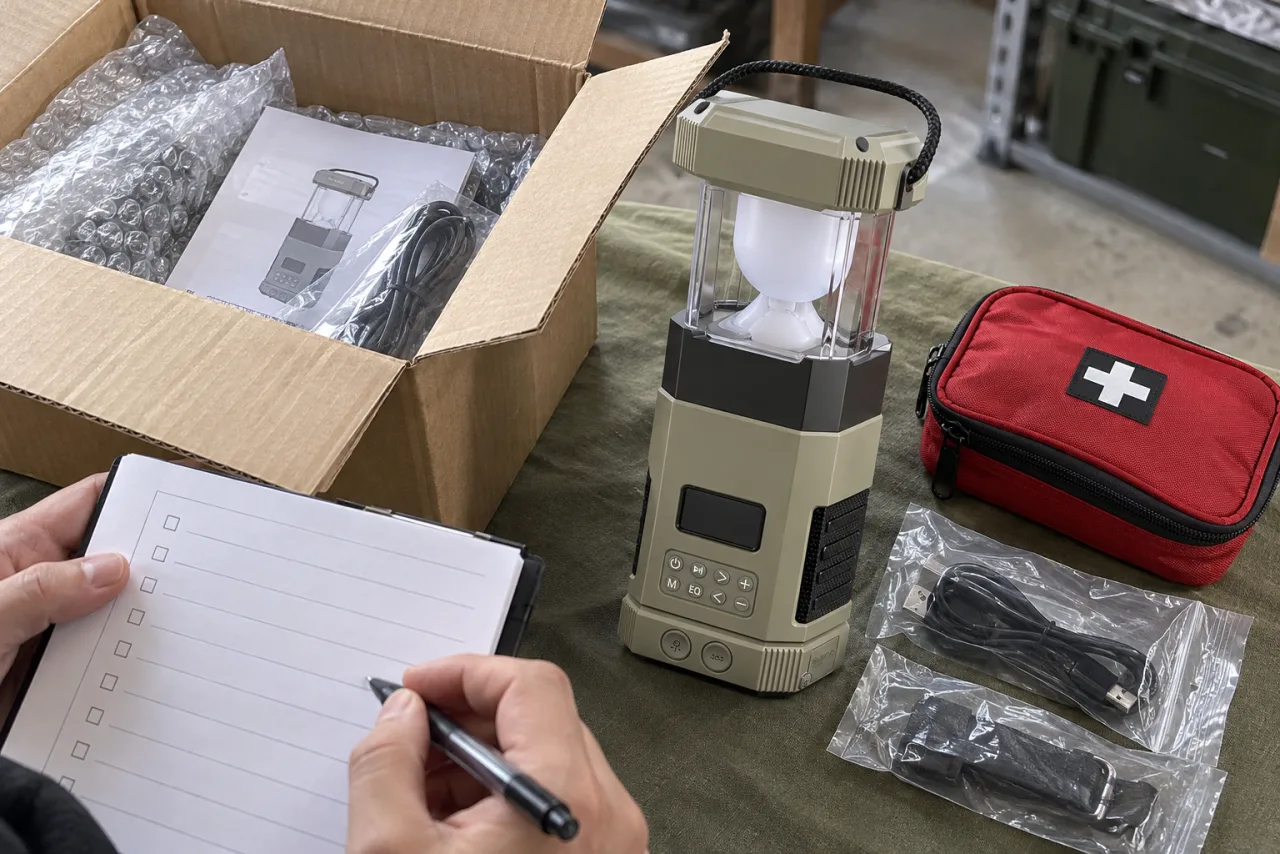
Count the right units
Distinguish cartons, retail packs and individual items. Match each line to the order and record shortages or over-deliveries. A carton count can appear correct while the number of bottles, batteries or dressings inside differs from the agreed quantity.
Inspect packaging and condition
Look for crushing, leakage, broken seals and moisture damage. Read labelled dates where applicable without opening sterile packs unnecessarily. Set aside questionable items for review and photograph the packaging and labels so the supplier can identify the affected stock.
Match models and documents
Compare boat, pump, lighting and other equipment model numbers with the approved configuration. Keep instructions and relevant item documents together. A similar product with a different connector, valve or size may create a compatibility issue even when the invoice description is unchanged.
Close discrepancies before allocation
Record each issue, owner and agreed resolution. Have the qualified team review specialist equipment and follow manufacturer instructions for any functional checks. Update the warehouse record only with accepted quantities, then label storage locations and assign replenishment responsibility before distributing the supplies.
Procurement checklist
- Count individual units against the approved order.
- Record condition, labels and packaging exceptions.
- Resolve model and document gaps before distribution.
Frequently asked questions
Should damaged packaging always be ignored if contents look dry?
No. Record it and have the responsible buyer assess product condition, sealing and suitability.
Does a delivery signature confirm technical suitability?
No. Receiving quantities and approving specialist equipment are separate responsibilities.